The Hardest Liquor to Make.

The Hardest Liquor to Get.

The Only One Worth Having.
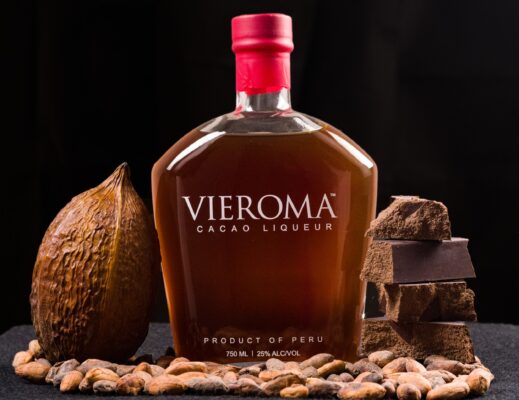
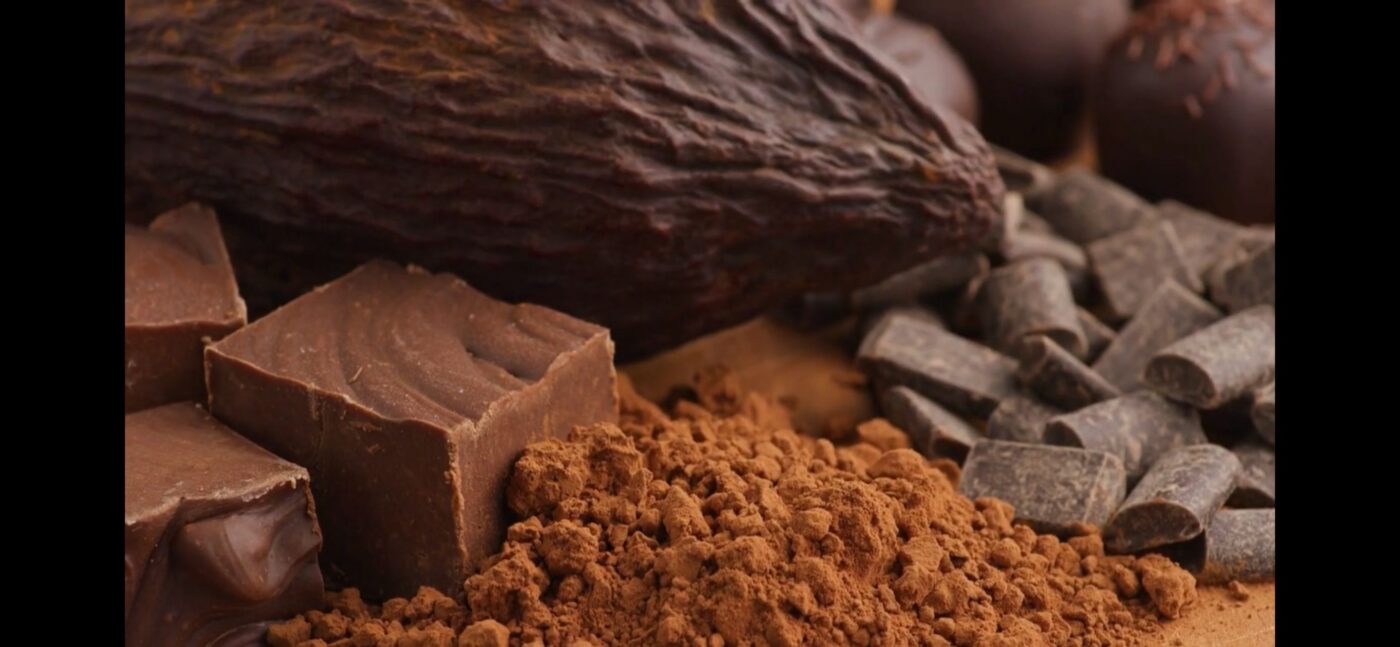
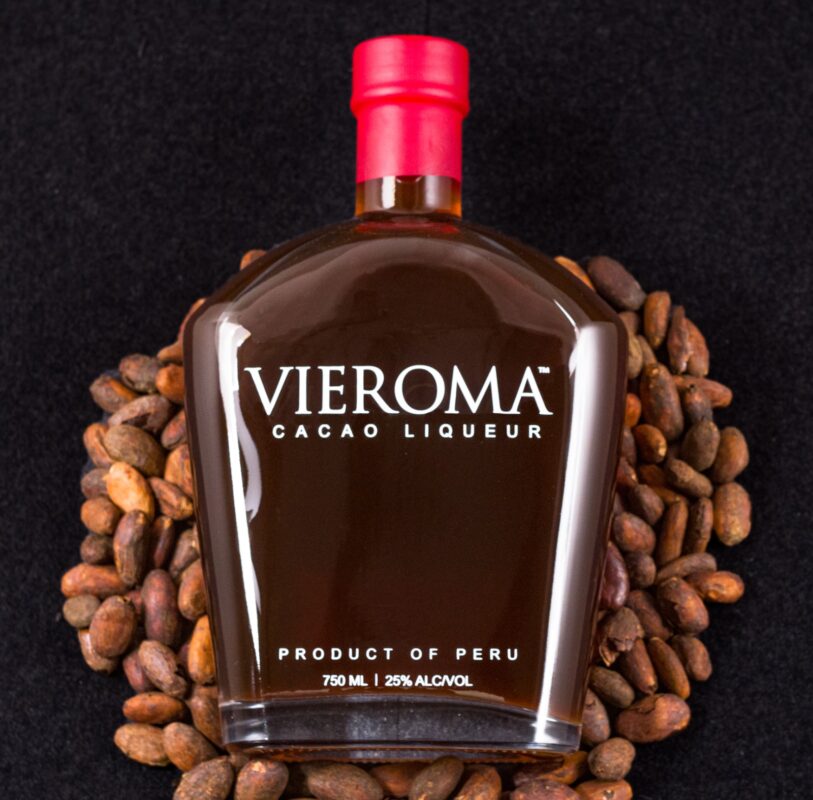
Vieroma is a handcrafted cacao-based liqueur built on one of the most demanding supply chains in spirits. Its cacao is sourced from remote regions of the Peruvian jungle, where reaching the farms requires hours of travel across rugged terrain, often involving river crossings and unpredictable conditions. The cacao is harvested by hand, fermented and sun-dried in the jungle, then transported through challenging Andean routes to the coast of Peru. Each batch is carefully inspected, hand-sorted, roasted, and crafted using natural processes with nothing artificial added. This level of difficulty, traceability, and care creates a rich, smooth, naturally complex flavor that elevates cocktails and stands apart on the shelf. It is one of the hardest liquors to make, one of the hardest liquors to get, but the only one worth having.

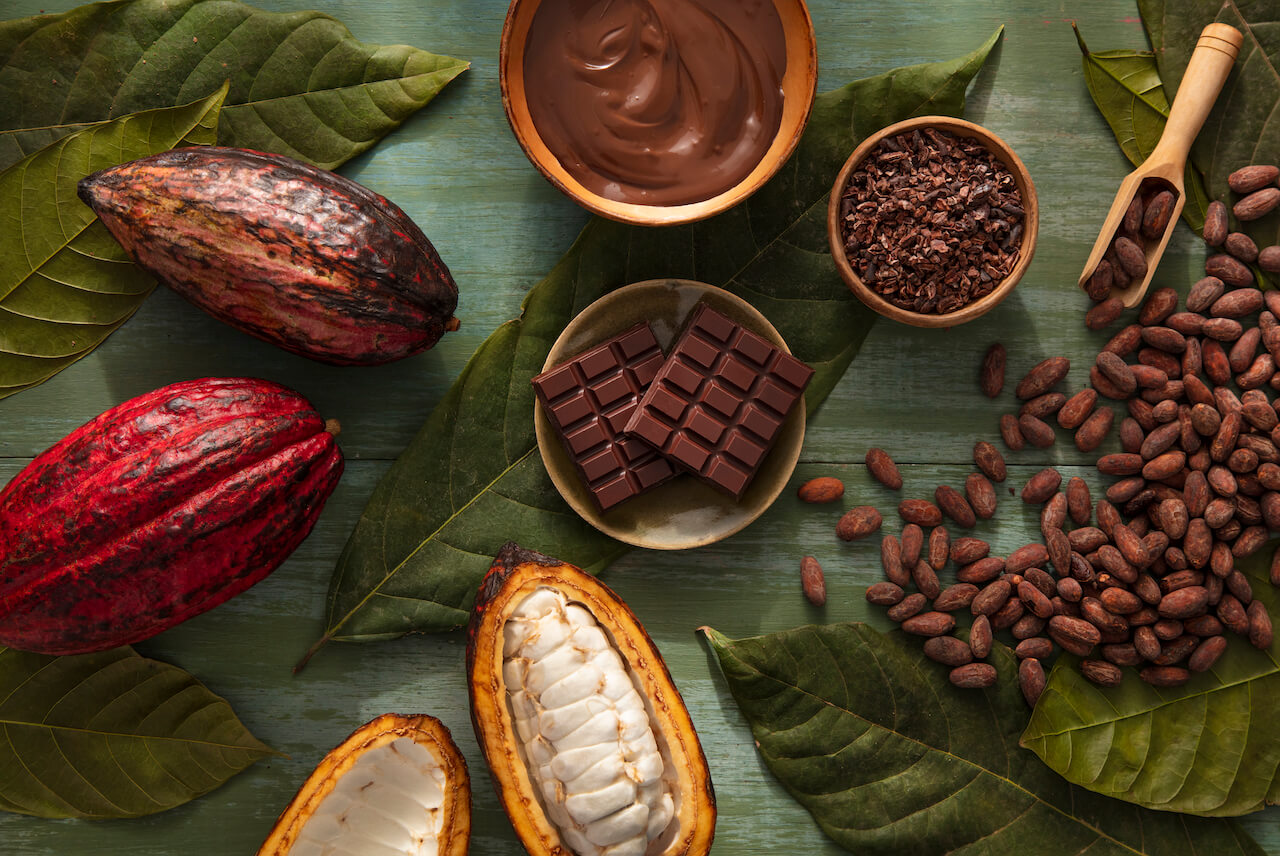
Vieroma doesn’t start in a factory. 

It starts deep in the Peruvian jungle. 

This is a spirit from distance, difficulty, and patience – a process so demanding that most brands simply won’t attempt it. That’s exactly why we did.

Step One: Reaching the Cacao

Getting to our cacao isn’t simple — or safe.

From Lima, it can take up to eight hours of travel to reach the growing regions. The journey includes flights with limited schedules, long drives without cell service, unpredictable weather, river crossings, and often boat or canoe transport just to move people and supplies. These are remote areas, far from paved roads and modern infrastructure.

This alone makes Vieroma difficult to produce. But this is just the beginning.

Step Two: A Narrow Harvest Window

Cacao doesn’t wait — and neither can we.

The primary harvest season runs from March through July, when the cacao reaches its peak quality. Outside of this window, yields are small and inconsistent. We choose to work within nature’s timeline, not force it.

That means Vieroma can only be made when the cacao is truly ready

Step Three: Six Months of Care

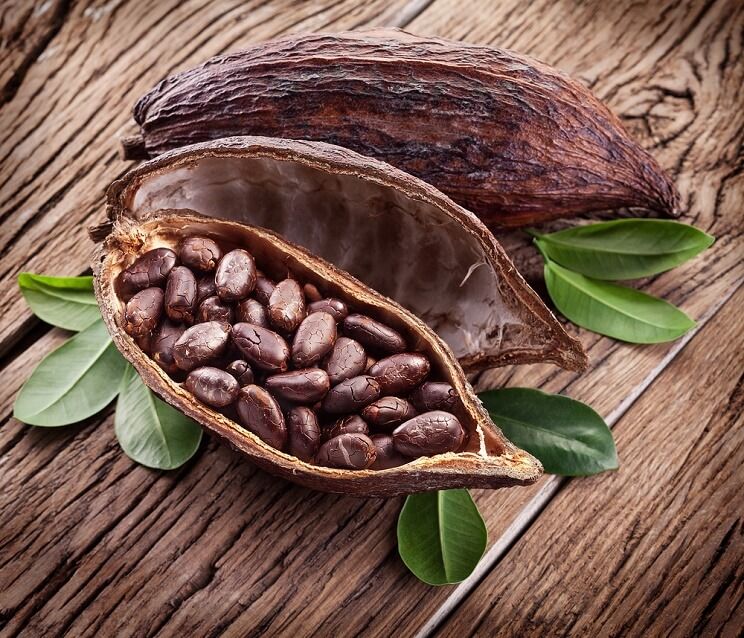
Each cacao pod takes approximately six months to grow and ripen.

During this time, small-scale farmers carefully tend the trees — pruning, monitoring for disease, and protecting the crop from environmental stress. Nothing is wasted: pruned branches, leaves, and organic matter are composted and returned to the soil, naturally re-mineralizing the land in a regenerative farming cycle.

This is cacao grown with intention, not industrial shortcuts.

Step Four: Harvested by Hand — One Pod at a Time

There are no machines here.

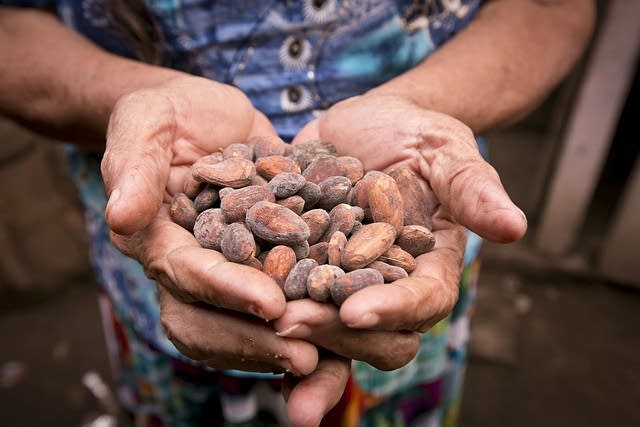
Every cacao pod is harvested by hand, often directly from the tree and sometimes by climbing to reach higher fruit. Each pod is carefully cut to avoid damaging the tree, ensuring it can continue to flower and produce year after year.

The pods are then opened by hand, the beans gently removed, and immediately prepared for fermentation. Precision matters — damage at this stage can compromise everything that follows.

Step Five: Fermentation in the Jungle

Fermentation is where flavor is born.

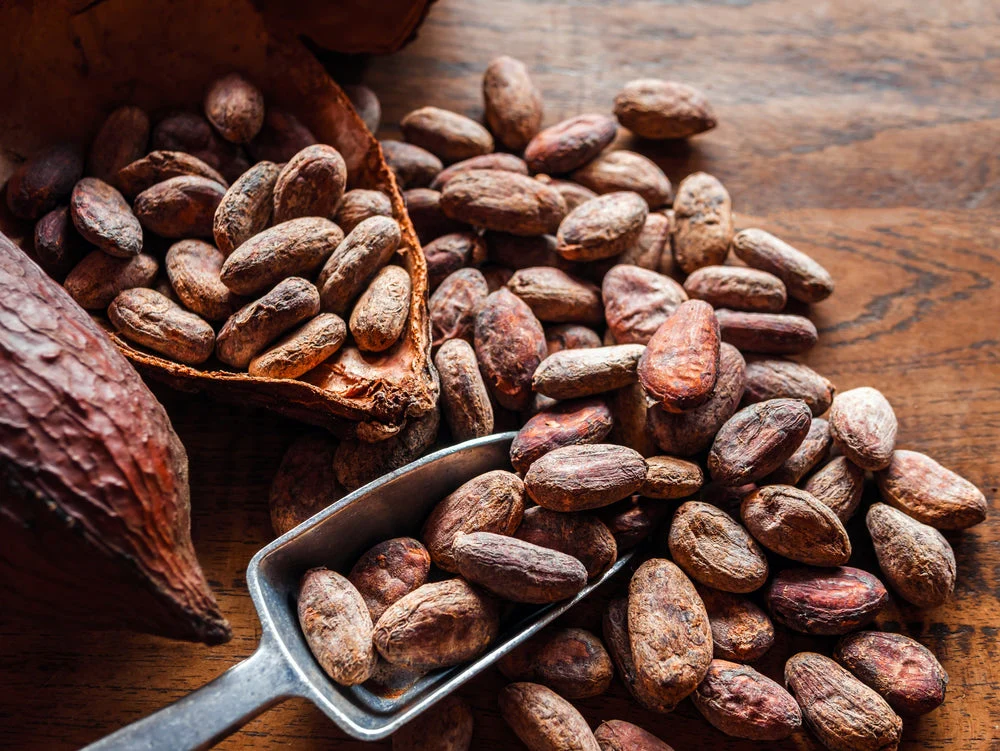
The fresh cacao beans are placed into specialized fermentation boxes in the jungle and fermented for six to seven days. This is a hands-on, daily-monitored process that requires experience, timing, and constant attention.

Done right, it develops the depth, aroma, and complexity that define Vieroma. Done wrong, the entire batch is lost.

Step Six: Drying — Guided by Sun and Weather

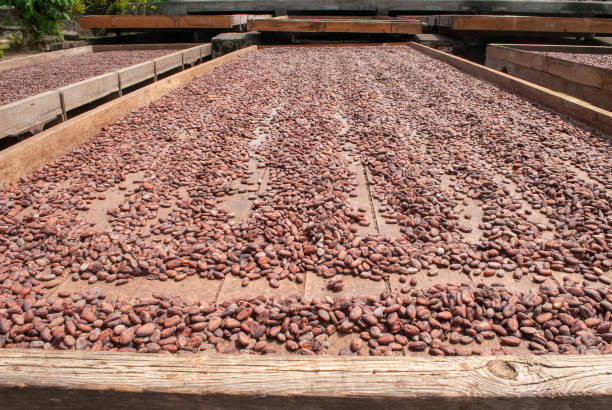
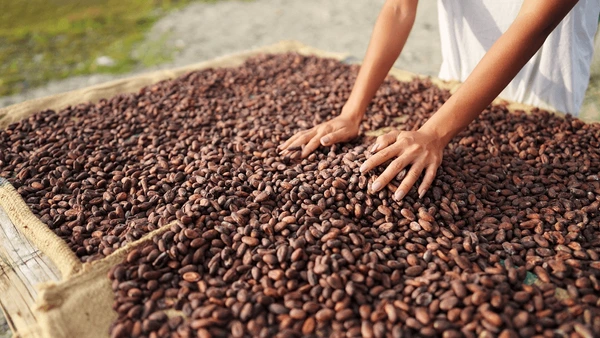
After fermentation, the beans are dried over another seven days.

The first days are critical — fermentation slowly tapers while moisture is reduced. Beans are carefully moved between direct sunlight and shade, always monitored to protect against rain, humidity, cold snaps, mold, or unwanted pathogens.

Nature dictates the pace. We listen.

Step Seven: A Long Road Back

Only after passing strict quality checks do the beans begin their journey back to the coast of Peru, near Lima.

They are transported by truck, often through challenging Andean terrain, where weather disruptions and security risks are real. In some cases, shipments require additional security to ensure safe passage.

This is not an easy supply chain — and that’s exactly the point.

Step Eight: Precision at the Plant

Once at our facility, the cacao is inspected again.

Each batch is hand-sorted, selecting only the beans that meet our standards. The beans are then roasted and winnowed — separating the cacao nibs from the shells — a meticulous process that defines the final character of Vieroma.

Step Nine: Becoming Vieroma

Only then do the cacao nibs and shells move into our proprietary process — transforming months of labor, risk, and care into a spirit unlike anything else.

why this matters

Throughout every step — from jungle fermentation to final roasting — Vieroma relies on natural processes and real cacao. Nothing artificial is added. Nothing is rushed.

Vieroma is hard to make because we refuse shortcuts.
Vieroma is hard to get because it depends on nature, people, and place.

We work directly with small-scale farmers, ensuring traceability, fair practices, and long-term sustainability — not just for the land, but for the communities who protect it.

This isn’t just a liquor.
It’s a supply chain you can taste.

As people become more aware of what goes into the products they consume, the difference between engineered flavor and earned complexity becomes impossible to ignore. Vieroma isn’t built on artificial shortcuts — it’s built on real cacao, real people, and real processes, letting refinement come from craft rather than additives.

This is why Vieroma is one of the hardest liquors to make, one of the hardest liquor to get — and the only one worth having.